

As competition among brands in the trade show environment intensifies, effective booth design has become a strategic investment not only in terms of visual appeal but also in terms of visitor experience and brand positioning. Current trade show booth trends focus on technology, sustainability, minimal forms, and user experience. In this article, we discuss current strategies you can use in trade show booth design.
Experience-Focused Presentations with Technological Integrations
Technology is no longer optional, it’s a core part of booth design. Technological integrations such as smart screens, augmented reality (AR), or virtual reality (VR) can offer visitors an interactive experience.
AR-VR experience areas increase visitor interest by allowing products to be digitally tested. Interactive solutions such as touchscreen kiosks, product configuration tools, or 3D product models increase the likelihood of the booth being remembered.
Some tips for integrating technology into your exhibition booth:
- You can reduce costs and paper usage by offering digital content via QR codes instead of catalogs.
- Turn visitors from passive observers into active participants by showing product launch videos on LED screens.
- Audio guides, chatbots, or AI-powered product narration systems enhance the user experience.
Telling Your Brand Story with Thematic Designs
Consumers no longer just buy products; they buy experiences. Creating a thematic atmosphere ranks among the top trends in trade show booth design. By adding a theme to your booth, you can make your brand unforgettable. Thematic designs can be an effective way to tell your brand story by offering visitors a pleasant atmosphere.
Botanical concepts reminiscent of nature, space-themed product presentations, retro booth designs, or sector-specific story-driven decorations leave a lasting impression on visitors.
Things to consider when choosing a theme:
- Use colors and textures that match your brand personality.
- Add visual storytelling panels that support your story.
- Position your products as part of the theme.
Increasing Participation with Interactive Experiences
Extending the time visitors spend at your booth directly impacts your brand’s engagement and conversion rates. Rewarding games, live demo areas, and mini workshops increase active participation from your target audience.
Some suggestions for increasing engagement:
- Set up product testing stations.
- Encourage visitors to share your booth with a quick raffle area.
- Creative concepts such as an “experience-focused tunnel” can generate viral content on social media.
Green and Sustainable Design Approaches
Sustainability is becoming increasingly important every day. Using recyclable materials in stand design can help you create an environmentally friendly image. Recyclable materials, energy-efficient lighting systems, and reusable modular structures strengthen your eco-friendly brand perception. Sustainability has become standard policy for global brands among trade show booth trends.
Examples of Sustainable Material Use
- Wood composites & MDF alternative panels
- Recycled textile banners
- Low-energy LED systems
- Reusable modular booth structure
Expanding Your Digital Reach with Social Media
You can increase your brand awareness by sharing your trade show booth activities on social media. Bring the trade show experience to digital platforms with special hashtags, real-time updates, and online interactions.
Recommendations for bringing social media to your trade show booth:
- Create a “photo spot” for Instagram/Reels.
- Offer mini gifts or discounts in exchange for visitors sharing content.
- Prepare short, fast video concepts (e.g., explain the product in 10 seconds).
Minimalist and Stylish Designs
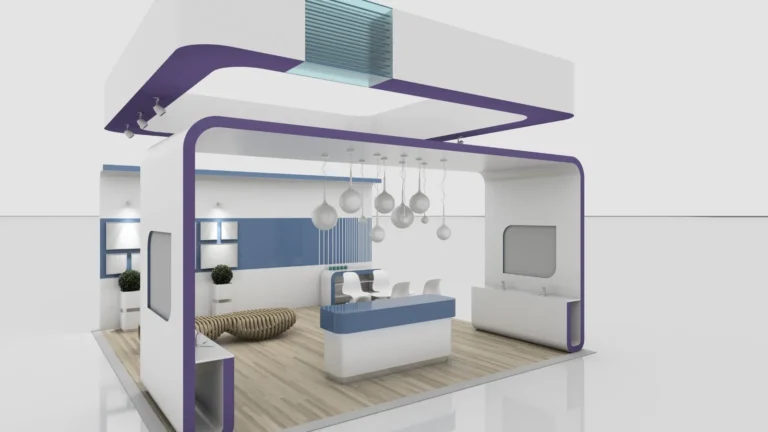
Minimalist designs ensure your booth looks clean and stylish. Avoid clutter and use a simple, eye-catching design to direct your visitors’ focus.
Using current strategies in trade show booth design to highlight your brand is key to gaining a competitive advantage. By using these strategies, you can leave a lasting impression at trade shows and connect more effectively with your target audience.
Stand designs that are free from visual clutter and have a clear flow of information reinforce your brand message. Minimalist stands are particularly effective for technology, design, luxury goods, and corporate brands.
Modular and Portable Stand Systems
The modular exhibition stand concept has become an important choice for businesses in recent years due to its rebuildable, scalable, and adaptable structure for different exhibition spaces. Unlike classic stands designed for single use, modular systems optimize budgets as they can be reused in multiple events.
Advantages of modular stand design:
- Shorter setup and dismantling time: The modular structure allows for quick assembly, reducing pre-exhibition preparation time. This lowers staffing requirements and extra labor costs.
- Lower transportation costs: Lightweight and collapsible elements require less storage space. This provides significant savings on shipping costs for brands participating in international exhibitions.
- Sponsorship areas can be easily expanded: The stand can be enlarged by adding or removing panels, and new product display areas or sponsor branding zones can be quickly positioned.
- Design updates are economical and practical: Simply changing the graphic print allows adaptation to a new trade show, eliminating the need to reproduce the entire structure.
- Adaptable to different square footage: Even if your booth area increases from 20 m² to 60 m², the panel modules can be rearranged and reused.
Lighting and Color Strategies
Lighting at trade show booths is one of the most powerful design tools for determining the visitor’s first point of contact and managing product focus. Highlighting product corners with LED light transitions and using spotlights from the ceiling or floor to highlight specific categories increases attention-grabbing performance.
At busy trade shows, a color-contrast strategy can increase brand visibility in a matter of seconds. Soft pastel lighting creates a calmer and more elegant atmosphere, while high-contrast lighting and color accents creates a sense of energy and dynamism.
Color psychology plays a critical role here. Blue and gray tones in technology brands support the perception of trust and professionalism, while warm yellow and orange tones in food and gastronomy brands stimulate appetite and convey a sense of warmth.
Health, cosmetic, or well-being brands, on the other hand, can reinforce messages of cleanliness and naturalness with green and white tones. This strategy determines not only the visual appeal but also how the brand is positioned in the consumer’s mind.
Sensory Design for Brand Experience
In trade show booth design trends, it’s no longer just about visuals; multi-sensory experience design is also at the forefront. Appealing to the visitor’s senses of sight, smell, touch, and hearing throughout their time at the booth make your brand more memorable. Sensory branding supports establishing an emotional connection through physical contact and transforms the visitor from a passive observer into an active participant.
For example, using a special brand scent can create subconscious recognition for the customer. The choice of ambient music increases attractiveness in crowded environments, while soft rhythms enhance the perception of quality in premium brands. Creating areas where product materials can be touched and felt increases product confidence, especially in textiles, furniture, building materials, and industrial products.
Applicable sensory elements:
- Product scent or brand perfume: Effective in helping customers associate the brand with its scent after the fair.
- Sound atmosphere according to visitor rhythm: Dynamic rhythms during peak hours, soft tones during special presentations.
- Touch areas: Product texture panels, material samples, fabric experience stands.
- Sampling stations (if applicable): Increases loyalty in food or beverage brands.
Data Collection and Visitor Analysis Techniques
A successful trade show booth design gains value not only by looking impressive, but also by delivering measurable conversion at the end of the show. Collecting interaction data, analyzing visitor behavior, and planning post-show marketing flows strengthens future strategies.
Digital lead collection kiosks, NFC card reader systems, instant form filling with QR codes, or digital delivery of product brochures increase contact speed and prevent data loss.
Information collected through CRM-integrated systems can be directed straight to sales teams. Heat maps analyzing visitor density help optimize the next trade show by measuring which product areas attract the most interest.
Strategies you can use for analysis at your trade show booth:
- Set up a CRM-integrated lead capture system: Easily categorize potential customers using email, industry information, and a needs form.
- Create a visitor flow map: Optimize your booth layout by measuring which sections receive the most visits.
- Prepare post-event follow-up emails: Preparing automated email sequences before the fair ends speeds up the sales process.
- Collect feedback with mini surveys: Presenting visitors with a 30-second form provides product perception and needs analysis.
FAQ About Trade Show Booth Trends
What are the most popular trends in trade show booth design?
Technology integrations, sustainable materials, minimalist design, and interactive experiences top the list of trends for 2026.
What should be done to attract more visitors to the booth?
Keeping the entrance area open, setting up a demo area, social media interactions, and prize games increase visitor traffic.
Is it expensive to set up a sustainable trade show booth?
The initial investment may be slightly higher than traditional booths, but reusable modular systems reduce costs in the long run.